_edited.png)
_edited.png)
Anxiety with Restlessness: Why You Feel Like You Can't Sit Still

Understanding Anxiety from Western Medicine & Traditional Chinese Medicine (TCM)
Doctor of Acupuncture & Chinese Medicine
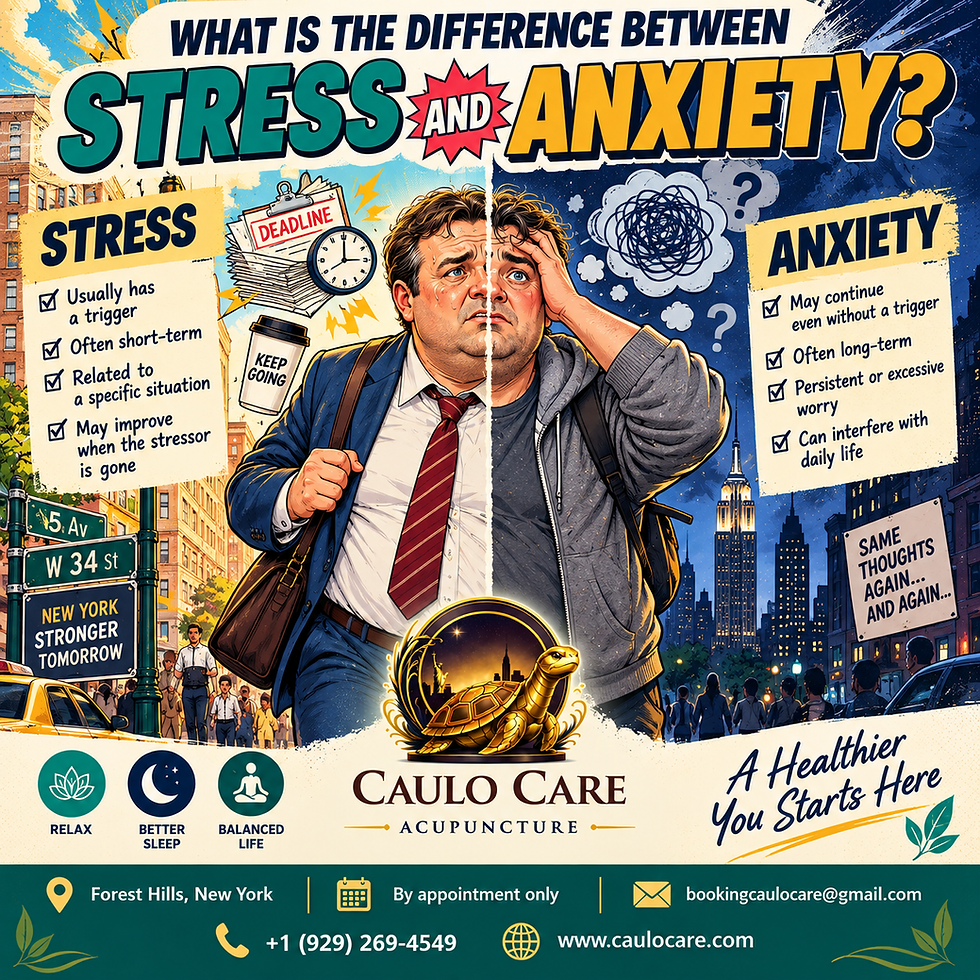
Anxiety is more than feeling worried. Many people describe it as an uncomfortable sense of restlessness, feeling "on edge," unable to relax, constantly pacing, fidgeting, or feeling as if they need to keep moving. This occurs because the brain and nervous system remain in a prolonged fight-or-flight state, even when there is no immediate danger. Anxiety disorders are characterized by excessive fear or worry that is difficult to control and often accompanied by physical symptoms such as muscle tension, rapid heartbeat, poor concentration, sleep disturbance, and restlessness.
Western Medicine Perspective
From an anatomical and physiological (A&P) perspective, anxiety activates the amygdala, the brain's threat detector. It signals the hypothalamus, which stimulates the sympathetic nervous system and the hypothalamic-pituitary-adrenal (HPA) axis. This increases the release of adrenaline and cortisol, preparing the body for action. When this response remains active for weeks or months, the body stays in a constant state of alertness, producing restlessness, muscle tightness, shallow breathing, poor sleep, digestive discomfort, and fatigue. Chronic stress also affects immune function, metabolism, and emotional regulation.
Traditional Chinese Medicine (TCM) Perspective
In TCM, restlessness commonly reflects a disturbance of the Shen (Mind/Spirit). The most frequent patterns include:
Liver Qi Stagnation from chronic emotional stress, causing tension, irritability, and inability to relax.
Heart Blood or Heart Yin Deficiency, leading to poor nourishment of the Shen with insomnia, palpitations, and anxiety.
Kidney Yin Deficiency, allowing Empty Heat to disturb the Heart, creating internal agitation.
Phlegm-Heat disturbing the Heart, producing mental restlessness, racing thoughts, and emotional instability.
Rather than treating only the symptom, TCM aims to restore the body's overall balance.
Self-Care and Prevention
To calm an overactive nervous system:
Maintain a consistent sleep schedule.
Exercise moderately most days of the week.
Practice diaphragmatic breathing or mindfulness.
Limit excessive caffeine, alcohol, nicotine, and energy drinks.
Reduce prolonged screen time before bed.
Build regular social support and healthy stress management habits.
Nutrition
Western Perspective
Magnesium-rich foods (leafy greens, pumpkin seeds)
Omega-3 fatty acids (salmon, sardines, walnuts)
B-complex vitamins
Vitamin D (if deficient)
Adequate protein and stable blood sugar through balanced meals
TCM PerspectiveChoose warm, nourishing foods that support the Spleen and calm the Shen, including:
Oats
Millet
Sweet potatoes
Red dates (Jujube)
Goji berries
Lotus seeds
Warm soups and herbal teas
Avoid excessive cold foods, processed sugar, alcohol, and excessive spicy foods if they worsen agitation.
What Should You Do?
✔ Practice relaxation daily, not only when symptoms appear.
✔ Maintain regular meals and adequate hydration.
✔ Seek professional evaluation if anxiety interferes with work, relationships, sleep, or daily functioning.
❌ Avoid relying solely on alcohol or stimulants to cope.
❌ Do not ignore persistent anxiety, chest pain, severe shortness of breath, or panic-like symptoms—medical evaluation may be necessary because other medical conditions can mimic anxiety.
How Acupuncture May Help
At Caulo Care Acupuncture in Forest Hills, New York, acupuncture is used as part of a comprehensive treatment approach to help regulate the autonomic nervous system, reduce muscle tension, improve sleep quality, promote relaxation, and support the body's natural recovery from chronic stress. For many patients experiencing anxiety-related neck pain, shoulder tightness, headaches, TMJ discomfort, or chronic pain, acupuncture may also help reduce pain and improve overall well-being. It should complement—not replace—appropriate medical or mental health care when needed.
This information is only educational and should not be construed as medical advice. Everything must be balanced, and the suggestions may not apply to you. A specialist doctor should be consulted for any medical advice or diagnosis.
BOOK AN APPOINTMENT NOW!
🔶🔷🔶🔷🔶🔷🔶🔷🔶🔷🔶🔷
Caulo Care Acupuncture
🔖 By appointment only
☎️ +1 (929) 269-4549
References
Mayo Clinic. Anxiety disorders – Symptoms and causes. https://www.mayoclinic.org/diseases-conditions/anxiety/symptoms-causes/syc-20350961
Review Article. Current understanding of anxiety mechanisms and management. PubMed Central.
#ForestHills #ForestHillsNY #QueensNY #QueensWellness #NYCAcupuncture #ForestHillsAcupuncture #QueensAcupuncture #CauloCare #DrPhumlarpCaulo #DrCAcupuncture #Drcaulo #NoFault #Massage #NewYork #QueensHealthcare


Comments